Why a Low Birthrate

Life was a blur

An immigrant in a Man’s World / Why the Birth Rate is Low

I applied after years of observation in a co-ed public school,
and flew into the world of sexual freedom on the birth control pill.

I revelled in my new land: sex without pregnancy and equal pay;
I had found where I wanted to live.

I honoured my origins with makeup,
with my bra and boots as flag, I declared my background
in this new land I loved.

Then the man who supported his wife spoke to the
“rising young man” who supported his wife
in a language I didn’t understand, and wasn’t supposed to hear.

But this was my place; I had earned my way and arrived here
and I belonged, I insisted.

Then my birthright called, and called.
I decided to see if a child would come
while I stayed in this world
of old men and “rising young men”
(and women who knew their places).

It was a slow gestation and a hard birth.
Women whispered to me and men looked away.
The wives who were supported accused me
of inadequacies, and the old men
reminded me that I had to keep up
to the men who had wives who succoured them.

I had friends and a good mate, but it was a hard land,
a hard time and place, living as a stowaway in a man’s world,
too tired and busy to organize a union with the other stowaways,
to have our citizenship in the world of work
recognized, and our needs as parents honoured.

The nanny was not a wife, good to my daughter
but leaving for her life when I arrived home.
My mate was there, and helped, but we both
assumed
I was the mother, with all that had meant
before I’d emigrated
to the man’s world.

So I became neither and both, a mother
living in a man-shaped world –
watching a meeting while breastfeeding,
watching the man who supported his wife scheduling
to help another man who supported his wife,

ignoring my mothering needs requests.

I persisted,
both mother and job-holder,

but blocked the chance
of another child.
Gethsemane Time

img_0850

Gethsemane – is a garden at the foot of the Mount of Olives in Jerusalem, most famous as the place where Jesus prayed and his disciples slept the night before Jesus’ crucifixion.

I

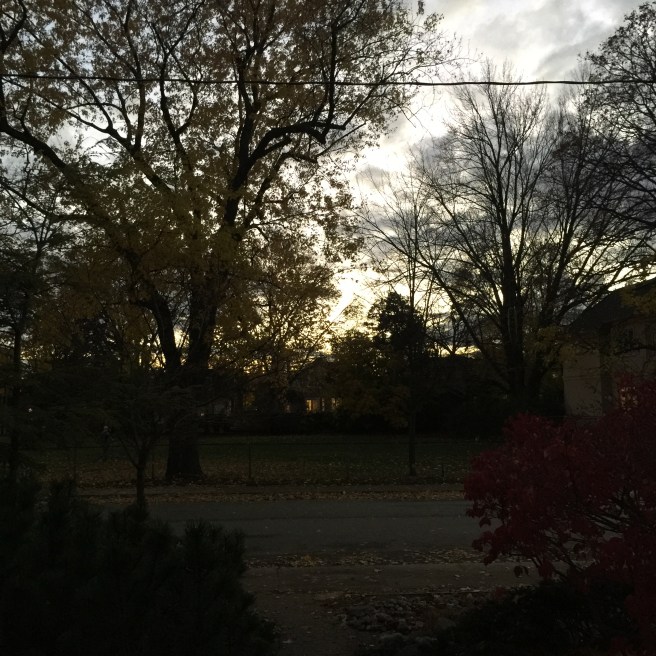
Constant twilight,
Constant sound:
The bleeping heartbeat
Bumping along:

Gethsemane time.

Naming the losses,
Watching them grow:
The unknown husband,
The useless hands:

Gethsemane time.

Body morphing,
Mind mutating:
Light dying,
No escaping:

Gethsemane time.

II

They sit together, his arm holding her, the woman who was,
and is no longer,
to answer or demand, while
he keeps trying to share:

Gethsemane time.

He talks with his friend, as they speak of nothings
and not of wives; while they avoid
the questions that have no answers,
except endings:

Gethsemane time.

He returns to the house that looks like home
and smells of her absence
while nothing can repair the silences and spaces
waiting for him:

Gethsemane time.

Caught

screen-shot-2017-01-18-at-10-01-13-am

Caught between my mirror
and blackouts, my mother and hope
twisting around to glare into
headlights and greasy black highways
behind me …

I don’t want to be here, but
to stand entwined, taking Communion

as if I were holy
as if I could hide from the whale’s lesson
as if I could pray

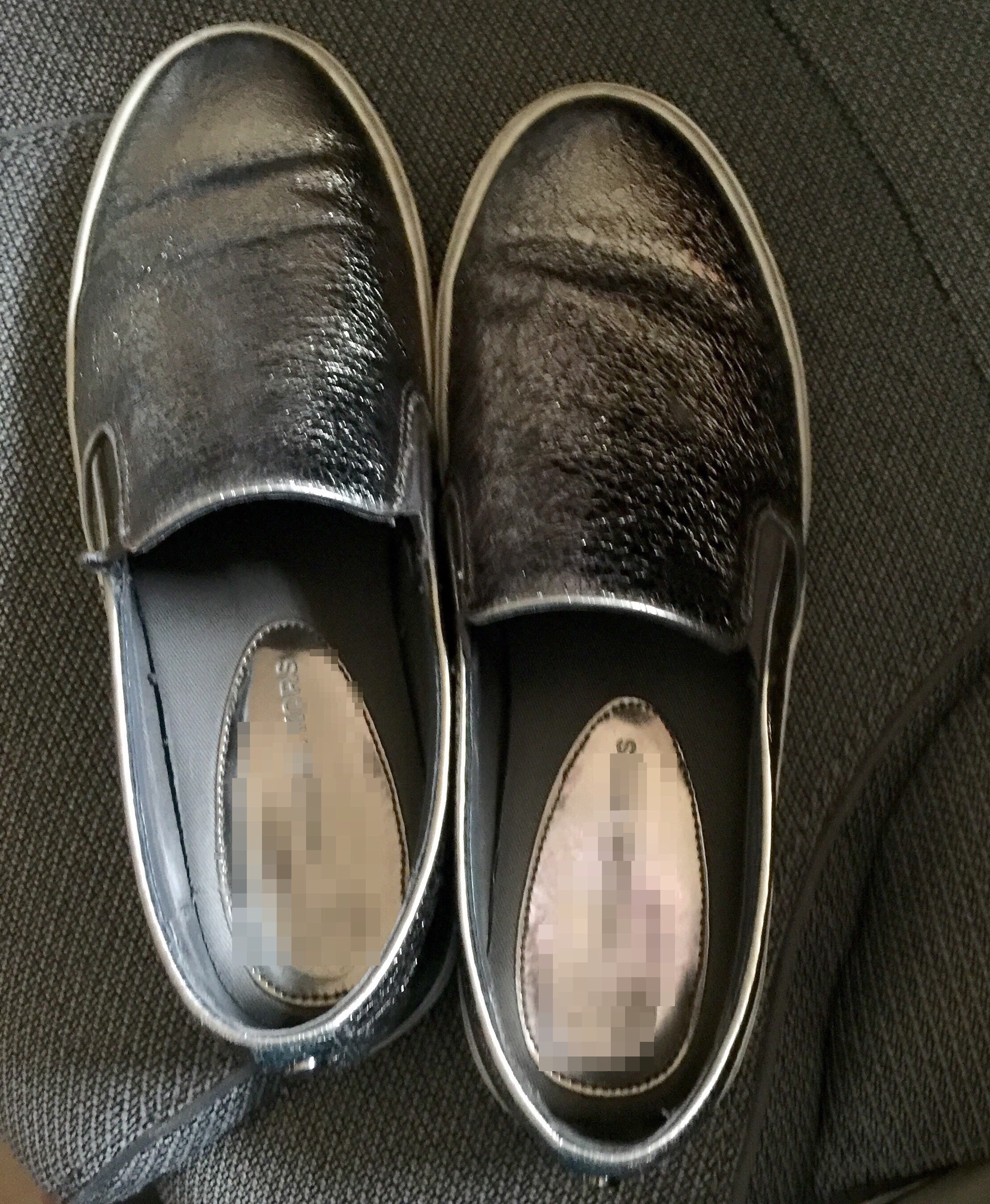
My Trickster Silver Shoes

Silver shoes
My Trickster Silver Shoes
I saw a picture, and I searched
And found, on sale,

My silver trickster shoes.

Beautiful on, my silver shoes,
But when I walked, they slipped and rubbed,

My painful silver shoes.

I took them off and gave them to
A friend with sturdier feet,

My poor-fitting silver shoes.

One early morning in my closet
I saw again the silver shoes,

My absent silver shoes.

A dream, a phantasm,
A joke, a delusion,

My trickster silver shoes.

Things Change

img_0890

Things Change

The name I used to murmur in delight
Now I sob over in the night.
Things change.

The woman I used to find so annoying
Now I watch, envious and admiring
Things change.

The work I loved and did so well
I’ve left behind; I lost the joy.
Things change.

The fear I carried so long and deep
I look at now and no longer weep.

Things change.

November – A Poem About the School Year

img_1067

I spent most of my life living the rhythms of the school year. November was always difficult. Here’s a poem I wrote a number of years ago when I was still teaching.

November in School

In November, everything crashes –
files are lost,
cars slide into each other,
suiciding squirrels shut down generators
and I
am late for school.

In November, people weep –
assignments fail,
teachers and students snarl,
work done is less than hoped,
and more,
much more, is required.

In November, we fear –
even if Christmas ever comes,
even if spring only hides behind
the winter we have to endure,
we have lost
whatever we came here to find.

Soldier Susan

screen-shot-2016-11-12-at-12-16-12-pm

Many years ago, looking at my tendancy towards martydom in the face of emotional abuse, I wrote this poem. Somehow, this week it feels appropriate to post it.

Soldier Susan
springs forth
to protect
against wounding
against obliteration.

“Quiet,” she says,
“Quiet, there is
nothing
you
can do.

Do nothing, and
maybe, maybe
you will not
be punished.

Seeing
is dangerous:
speaking
brings pain,
wounding,
perhaps death.

Stay quiet.”

“But,” the whisperer wants
to know,
“what about this pain?
How do I become blind
to what I have seen?

How do I change
what I cannot accept?

I must act.”

Soldier Susan says,
“No, no, no, wait!
there is nothing
you
can do
that will not

bring ruin.”

The whisperer trembles
trying to close
her eyes, her mouth,
but heat, words
rush, push
forward,
fill her with straining,
demanding release,
any release.

And now she is
blind and deaf
to all except
the need to
release

the pain, the vision

Election

img_2113

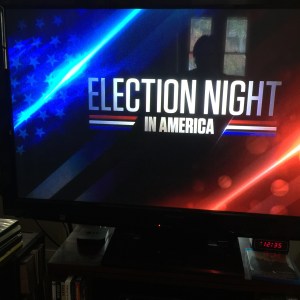
I have a horror
hangover:

a surfeit of tv dribbles
repeating;

the images and words
addictive

and numbing.

I must look away,
change the channel,

I switch to a story of plotted
murder where the killer
is named and blamed
and hunted and destroyed – and

it’s over!

When I can’t resist glancing again,
the crowds are still

raging in the streets.